 01
01Neck & shoulder tension
Waking up stiff can make you question everything from your mattress to your desk chair. But what supports your head for hours every night deserves attention too.

Better sleep · Independent review
Neck tension. Restless nights. Snoring.
Sometimes the problem isn't how long you sleep — but how your head, neck and shoulders are supported while you do.
We looked at what really matters when choosing an ergonomic pillow — and why sleep position, support and pillow shape deserve a closer look.
Independent research·Clear criteria·No complicated jargon

“Something about last night wasn't quite right.”
Chapter one
They feel unrelated — until you notice what they share. Here are the three concerns we hear most, and the common thread that ties them together.
01Waking up stiff can make you question everything from your mattress to your desk chair. But what supports your head for hours every night deserves attention too.
 02
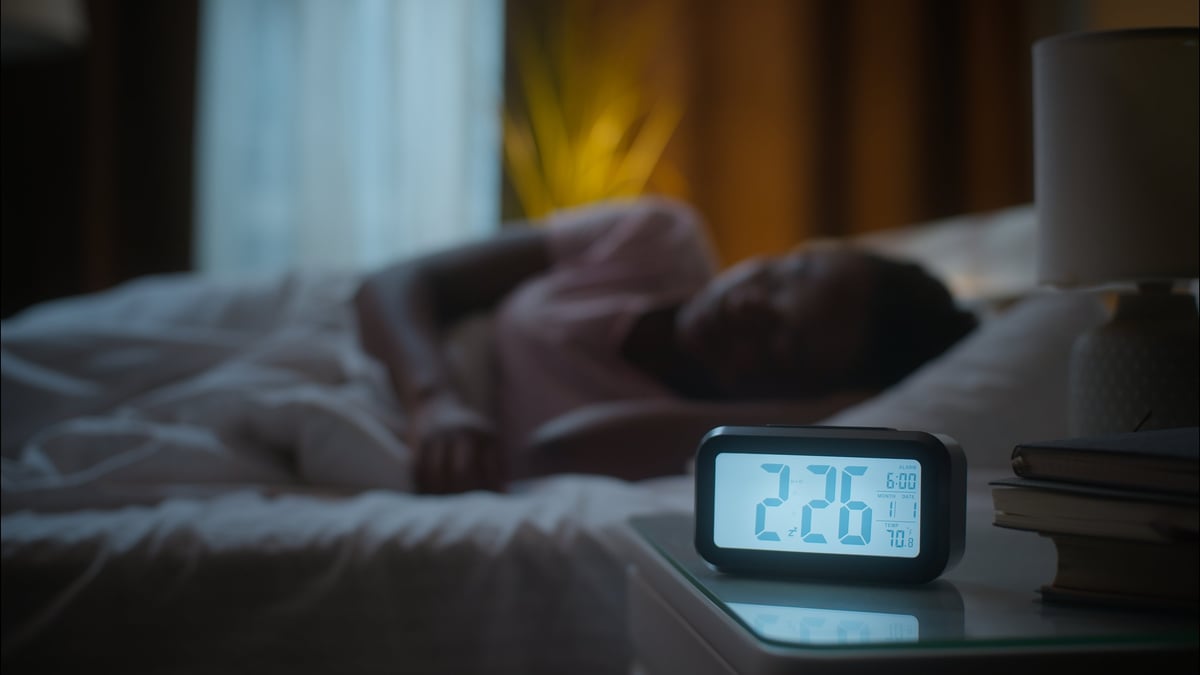
02When one person has a noisy, restless night, sleep can become a problem for two. Head and neck position are among the factors worth considering.
 03
03Constantly adjusting your pillow or searching for a comfortable position can be a sign that your current setup simply isn't supporting the way you sleep.
The common denominator?Your pillow influences the position of your head, neck and shoulders for hours at a time.
Why pillow support matters
While you sleep, your pillow helps determine where your head rests in relation to your neck and shoulders.
Too high, too low, too soft or too flat — and you may spend the night adjusting instead of settling comfortably into your natural sleeping position.
Poor fit
Balanced support
Good support isn't about forcing your body into position.It's about helping it rest naturally.
What sleepers keep telling us
People searching for better sleep repeatedly describe the same frustrations.
“Too high.”
“Too flat.”
“Too firm.”
“It loses its shape.”
“I keep trying different pillows.”
That's why choosing based on softness, price or a five-star rating alone doesn't tell you very much.

Too many options. What actually matters?
The better question is
“Does the pillow actually suit the way you sleep?”
How we evaluated the options
Instead of focusing on promises, we looked at the practical characteristics that can influence how a pillow actually feels and fits.
Does the design accommodate common sleeping positions naturally?
Does the shape provide consistent support around the head, neck and shoulders?
Support shouldn't automatically mean hard or uncomfortable.
Does the material maintain its structure instead of quickly flattening?
Does the construction help manage heat and airflow?
Can sleepers find a natural position without constantly fighting the pillow?
Are the price, trial period and return terms reasonable enough to evaluate the product properly?
These are the criteria we used to separate meaningful design differences from marketing noise.
What stood out
During our research into ergonomic pillow designs, one particular approach caught our attention: a contoured, butterfly-shaped memory foam pillow designed around head, neck, shoulder and arm positioning.
That led us to take a closer look at Derila Ergo.
Not because it promises perfection — but because several elements of its design directly address the frustrations we kept finding in our research.
Form
Contoured butterfly
Material
High-density memory foam
Designed for
Head, neck, shoulder & arm positioning
A closer look
Derila Ergo uses a contoured butterfly design rather than the familiar rectangular surface found on conventional pillows.
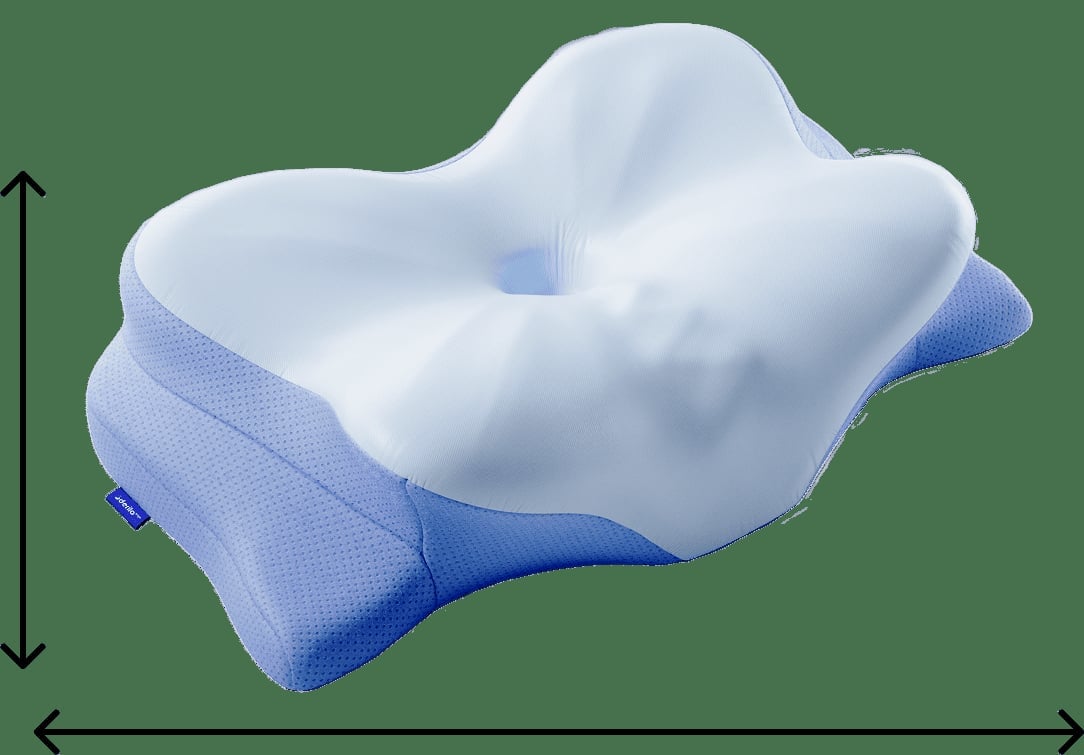
A centered dip that supports the natural position of the head during side or back sleep.
A contoured area beneath the head cradle to keep the cervical spine in a more neutral position.
The wider, lower wings allow the shoulders to settle without pushing the head forward.
Curved side spaces let the arms rest underneath or beside the pillow without compressing the foam.
Side sleeping
Back sleeping
Changing position
The other side of better sleep
Snoring is complex and can have many causes. A pillow isn't a treatment for sleep apnea or other medical conditions.
But sleeping position and head-and-neck support can influence how comfortably some people rest during the night — which is one reason pillow design deserves attention.
For couples dealing with noisy, restless nights, improving the overall sleep environment can be worth exploring.

This doesn't only affect one person.
FindBetter360 review
Using the same practical framework we outlined above, here's where the design appears strongest — and where personal preference still matters.
The butterfly contour is meaningfully different from a conventional rectangular pillow.
Designed to accommodate side, back and changing sleep positions.
The contoured shape creates defined support areas around the head, neck and shoulders.
High-density memory foam provides more structure than traditional loose-fill construction.
Designed with airflow and overnight comfort in mind.
Contoured pillows can feel different from conventional pillows and may require some experimentation with positioning.
The current promotional price and advertised 60-day guarantee reduce some of the risk of trying a different pillow design.
What impressed us most
The design isn't simply “more memory foam.” Its shape takes a noticeably different approach to several of the fit and positioning frustrations we found repeatedly during our research.
FindBetter360 Sleep is the publisher. Derila Ergo is the product being reviewed. This page reflects our independent editorial perspective, not the manufacturer.
Is it a good fit for you?
No pillow is perfect for everyone. The better question is whether the design matches the way you actually sleep and the frustrations you're trying to solve.
May be worth considering if
May not be the best fit if
No pillow is perfect for everyone.That's exactly why fit matters.
Current offer
At the time of our review, the official Derila Ergo offer includes promotional pricing and an advertised 60-day money-back guarantee, giving buyers time to decide whether the design suits their sleeping preferences.
You'll be redirected to the manufacturer's website.
Pricing, availability and promotional terms may change. Always verify current details on the official website before ordering.
Common questions
A few of the questions that come up most often — answered plainly, with no sales pressure.
Yes. A contoured pillow has a different shape from a conventional pillow, and some sleepers may need a little time to find the position that feels most natural.
No. The design is marketed for multiple sleeping positions, including side and back sleeping.
No pillow can guarantee that. Snoring can have many causes. Pillow support and sleeping position are simply factors some sleepers may wish to consider.
No. Sleep apnea is a medical condition that should be evaluated by a qualified healthcare professional. An ergonomic pillow should not be considered a substitute for diagnosis or treatment.
The current official offer advertises a 60-day money-back guarantee. Always review the manufacturer's current return terms before purchasing.
Comfort preferences vary. Some people adapt quickly to a contoured pillow, while others may need several nights to experiment with positioning.

Our editorial take
That's the biggest lesson from our research.
Price, softness and marketing promises matter far less if a pillow doesn't provide the kind of support and positioning you actually prefer.
Derila Ergo stood out because its butterfly-shaped design takes a noticeably different approach to several of the frustrations sleepers repeatedly describe: neck and shoulder support, positioning, shape retention and constantly searching for the right spot.
It won't be right for everyone.
But if those problems sound familiar, it's one option we believe is worth a closer look.
Check current pricing, availability and guarantee terms directly from the manufacturer.
Better mornings begin with better decisions.